How to Use UPI Safely in India: Essential Security Tips
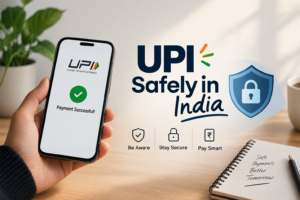
How to Use UPI Safely in India is an important question for anyone who regularly uses digital payments. UPI has transformed the way people make digital payments in India. From paying bills and shopping online to sending money to friends and family, UPI payments are fast, convenient, and available around the clock. However, as digital payments become more common, users also need to understand how to protect themselves from online scams and fraud.
Using UPI safely does not require complicated technical knowledge. By following a few simple security practices, you can make safe UPI payments and protect your money and personal information.
What Is UPI?
UPI, or Unified Payments Interface, is a digital payment system that allows users to send and receive money directly through their bank accounts using a UPI-enabled app.
Users can make payments using a UPI ID, QR code, mobile number, or other supported payment methods without sharing their bank account details with the receiver.
How to Use UPI Safely in India:
1. Never Share Your UPI PIN
Your UPI PIN is one of the most important security credentials for your account. Never share it with anyone, including people claiming to be bank employees, customer support representatives, or payment service agents.
A genuine bank or payment app will never ask you to reveal your UPI PIN.
2. Remember That You Do Not Need a PIN to Receive Money
One common UPI scam involves someone asking you to enter your UPI PIN to receive a payment. This is a warning sign.
You generally need to enter your UPI PIN when you are authorising a payment from your account. Be careful if someone asks you to enter your PIN while supposedly sending money to you.
3. Verify the Receiver Before Making a Payment
Before confirming a UPI transaction, check the recipient’s name and payment details carefully.
Scammers may use misleading names, fake QR codes, or incorrect payment information. Taking a few seconds to verify the details can help prevent accidental transfers.
4. Do Not Scan Unknown QR Codes
QR codes make digital payments convenient, but you should not scan random QR codes sent by unknown people or found on suspicious websites.
Always understand why you are scanning a QR code and verify the recipient before completing the transaction.
5. Avoid Clicking Suspicious Links
Fraudsters may send messages containing links that look like payment, cashback, refund, or customer support links.
Avoid clicking on unknown links, especially when they ask you to enter banking information, passwords, card details, or your UPI PIN.
6. Be Careful With Cashback and Reward Offers
Fake cashback and reward offers are commonly used to trick users into making unauthorized payments.
If an offer seems too good to be true, verify it through the official website or app before taking action. Do not provide sensitive information to claim a reward.
7. Use Only Official Payment Apps
Download UPI apps only from trusted and official app stores. Avoid installing applications from unknown websites or links received through messages.
Keep your payment application updated so that you receive the latest security improvements and fixes.
8. Keep Your Phone Secure
Your smartphone is directly connected to your digital payments, so protecting your device is important.
Use a strong screen lock, biometric authentication, and other available security features. Never leave your phone unlocked when it contains banking or payment applications.
9. Check Your Bank Account Regularly
Regularly review your bank account and transaction history. If you notice a transaction that you do not recognise, report it immediately through the appropriate bank or payment service channels.
Early reporting can help you respond to suspicious activity more quickly.
10. Never Allow Remote Access to Your Device
Scammers may ask you to install remote-access or screen-sharing applications while pretending to provide customer support.
Do not give unknown people remote access to your smartphone, especially while using banking or payment applications.
Common UPI Scams to Watch Out For
Understanding common scams can make it easier to identify suspicious activity.
Some common examples include:
- Fake customer support calls
- Fake cashback and reward offers
- QR code scams
- Phishing links
- Fake payment requests
- Impersonation scams
- Remote-access app scams
- Fraudulent refund claims
The basic rule is simple: never share your UPI PIN, OTP, passwords, or other sensitive banking information with anyone.
What to Do If You Suspect a UPI Fraud
If you notice an unauthorised UPI transaction, act quickly. Contact your bank or payment service provider through its official customer support channels and report the transaction.
You should also report suspected digital payment fraud through the appropriate official cybercrime reporting channels in India.
Keep details such as the transaction ID, date, amount, and relevant messages available when reporting the incident.
Safe UPI Payment Checklist
Before making a UPI payment, remember these basic safety tips:
- Verify the recipient’s name.
- Check the payment amount carefully.
- Never share your UPI PIN.
- Do not enter your PIN to receive money.
- Avoid unknown QR codes and links.
- Do not share OTPs or banking credentials.
- Use official payment applications.
- Keep your smartphone and apps updated.
- Monitor your bank transactions regularly.
- Report suspicious transactions immediately.
Conclusion
UPI makes everyday payments quick and convenient, but convenience should not replace caution. By verifying payment details, protecting your UPI PIN, avoiding suspicious links and QR codes, and monitoring your transactions, you can significantly improve your digital payment security.
Whether you use UPI for shopping, bill payments, money transfers, or everyday purchases, developing safe payment habits is one of the easiest ways to protect your finances. For more useful insights on digital technology, online safety, and digital marketing, explore Rawan Faizal.
Stay alert, verify before you pay, and keep your UPI credentials private.

Rawan Faizal
Rawan Faizal is a Digital Marketing Strategist in Kannur specializing in SEO, Social Media Marketing, WordPress, and content creation. Passionate about helping businesses grow online, Rawan creates effective digital strategies that improve search visibility, increase engagement, and build a strong online presence.